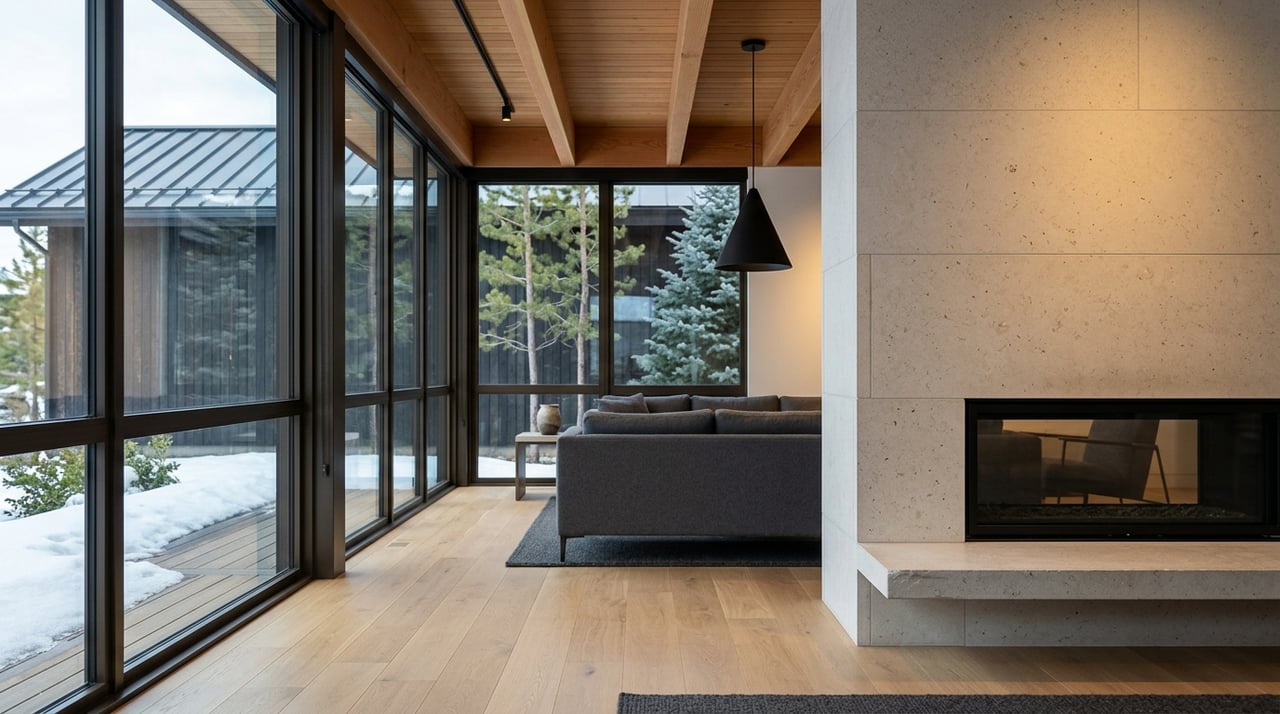
Breckenridge Condo Or Home: Choosing Your Mountain Base
June 4, 2026
June 4, 2026
Wondering whether a Breckenridge condo or a single-family home makes more sense for your mountain base? It is a smart question, because in Breckenridge, your choice affects much more than square footage. Access to skiing, day-to-day upkeep, winter snow management, parking, and short-term rental rules can all shape how easy and enjoyable ownership feels. If you are weighing convenience against privacy, this guide will help you compare the tradeoffs clearly. Let’s dive in.
Breckenridge is a mountain town where downtown and the resort are closely connected. The resort highlights slopeside lodging, ski-to-town routes, the BreckConnect Gondola, and direct access to Main Street and Peak 9. The town also operates the Free Ride system, which provides free transportation within Breckenridge and to the ski resort.
That close connection changes how buyers think about location. In some ski markets, being a little farther out may not feel like a big difference. In Breckenridge, access can shape your daily routine, especially during ski season.
Winter conditions also play a bigger role here than many second-home buyers expect. Breckenridge Resort reports average snowfall of 355 inches, and the town says its core and bus routes are plowed first while homeowners are responsible for clearing driveways. That makes snow management a real ownership factor, not just a seasonal inconvenience.
A condo is often the easiest way to enjoy Breckenridge with less day-to-day responsibility. Condominiums are individually owned units with shared facilities owned collectively by owners, and condo associations commonly handle property maintenance and management. For many buyers, that structure fits the idea of a lock-and-leave mountain property.
If you plan to visit for shorter stays or want quick access to skiing or Main Street, a condo can be a strong match. Many condo locations feel more car-light because of the gondola, ski-to-town routes, and Free Ride transit options. That convenience can make weekend arrivals and departures much simpler.
Condo dues are an important part of the equation. According to the research, HOA and condo dues are usually separate from the mortgage and can range from a few hundred dollars a month to more than one thousand dollars a month. Those dues often help cover exterior repairs, common-area upkeep, water, sewer, trash, recreation amenities, and sometimes insurance or reserves.
That monthly cost can feel worthwhile if it reduces the number of tasks you need to manage yourself. In a snowy mountain setting, shared maintenance can be especially valuable. You may spend more in dues, but less of your own time coordinating upkeep.
Convenience comes with more rules and shared decision-making. HOAs can control aesthetics and set rules for what owners may do to the property. Before you buy, it is important to review reserve levels, special assessments, insurance coverage, and the overall condition of the building.
In Breckenridge, association rules matter even more because they can intersect with town regulations. The town’s short-term rental system caps licenses by zone, and HOAs may impose their own restrictions. That means a condo that looks great on paper may not match your rental plans if the zone or HOA rules limit flexibility.
The downtown overlay also affects how some areas are used. The town says this overlay is designed to maintain the commercial core and generally limits new ground-floor residential uses. For buyers focused on walkability and central locations, this is one more reason to look beyond the listing photos and understand the property context.
If you value privacy, control, and room to spread out, a single-family home may be the better fit. A detached home usually gives you more independence, more storage, and often more flexibility with how you use the property. For many buyers, that extra breathing room is part of the mountain-home appeal.
A home can also feel better suited to longer stays, larger gatherings, or a more established second-home lifestyle. If you want dedicated gear storage, more parking flexibility, or a stronger sense of separation from neighbors, a home may align better with your goals. In the right setting, that privacy can be hard to replicate in a condo environment.
For some buyers, control is the biggest advantage. You are not working within the same level of shared-building oversight that comes with many condo communities. That can make ownership feel more personal and more tailored to the way you want to live.
The tradeoff with a single-family home is responsibility. Homeowners are responsible for maintenance and repairs, and in Breckenridge, homeowners must clear their driveways. The town also asks homeowners and businesses to help with daytime sidewalk snow removal.
Because the town prioritizes plowing in the core and along bus routes, snow conditions can affect daily life differently depending on where your home is located. A detached home farther from the center may require more hands-on planning after storms. That is especially important if you will not be in town full-time.
This is where the condo-versus-home decision becomes very practical. If you love the idea of a private mountain retreat but do not want to manage winter upkeep, a home may feel more demanding than expected. If you are comfortable with that tradeoff, the added space and autonomy may be worth it.
Parking is one of the most overlooked parts of buying in Breckenridge. Breck Park says parking is prohibited on all town streets unless otherwise posted, and overnight parking is prohibited on town streets year-round. The town’s parking system also includes lots with specific time windows, paid periods, and overnight restrictions.
That matters because parking needs are different for every buyer. If you expect multiple vehicles, frequent guests, or late-night arrivals, a detached home with better on-site parking may be more appealing. If you plan to rely less on a car because you are close to Main Street, transit, or ski access, a condo may feel easier.
In other words, parking is not just a convenience issue. It can shape how smoothly your property works during busy weekends, storm days, and peak ski season.
For many second-home buyers and investor-minded owners, short-term rental rules are a major part of the decision. The town defines a short-term rental as a residential dwelling unit, or any room in it, rented for less than 30 consecutive days. Breckenridge requires a valid license for each short-term rental.
The town also states that the license is non-transferable and non-refundable at sale. On top of that, short-term rental licenses are capped by zone, and mapped areas include resort properties, a tourism zone, the downtown core, and single-family residential areas. That means two homes with similar price points may offer very different rental options based on location alone.
Property type is only part of the story. A condo may seem rental-friendly because of its location, but the HOA may have separate restrictions. A single-family home may offer privacy and space, but the zone may limit your short-term rental flexibility.
If rental use matters to you, due diligence should go deeper than the unit or home itself. You will want to understand the zone, the license framework, and any HOA restrictions before moving forward.
In Breckenridge, the best choice usually comes down to three questions: how often you will use the property, how much upkeep you want to manage, and whether rental use is part of your plan. Those factors often reveal the right answer faster than focusing on size alone.
A condo tends to work well if you want:
A single-family home tends to work well if you want:
Neither option is automatically better. The right fit depends on how you plan to live in the property and how much hands-on ownership you want.
In a market like Breckenridge, small details can have an outsized impact on your ownership experience. A great location near transit or ski access may make a condo feel effortless. A well-sited home with the right parking and winter setup may give you the privacy and flexibility you want without unnecessary friction.
That is why this decision deserves a property-by-property review, not just a general preference for condos or homes. When you look carefully at access, snow management, parking, and rental rules, the right choice usually becomes much clearer.
If you are comparing Breckenridge condos and homes, working with a local team can help you evaluate how each property will actually function day to day. For tailored guidance on finding the right mountain base in Breckenridge, connect with Jeff Scroggins & Paige Johnson.
Stay up to date on the latest real estate trends.
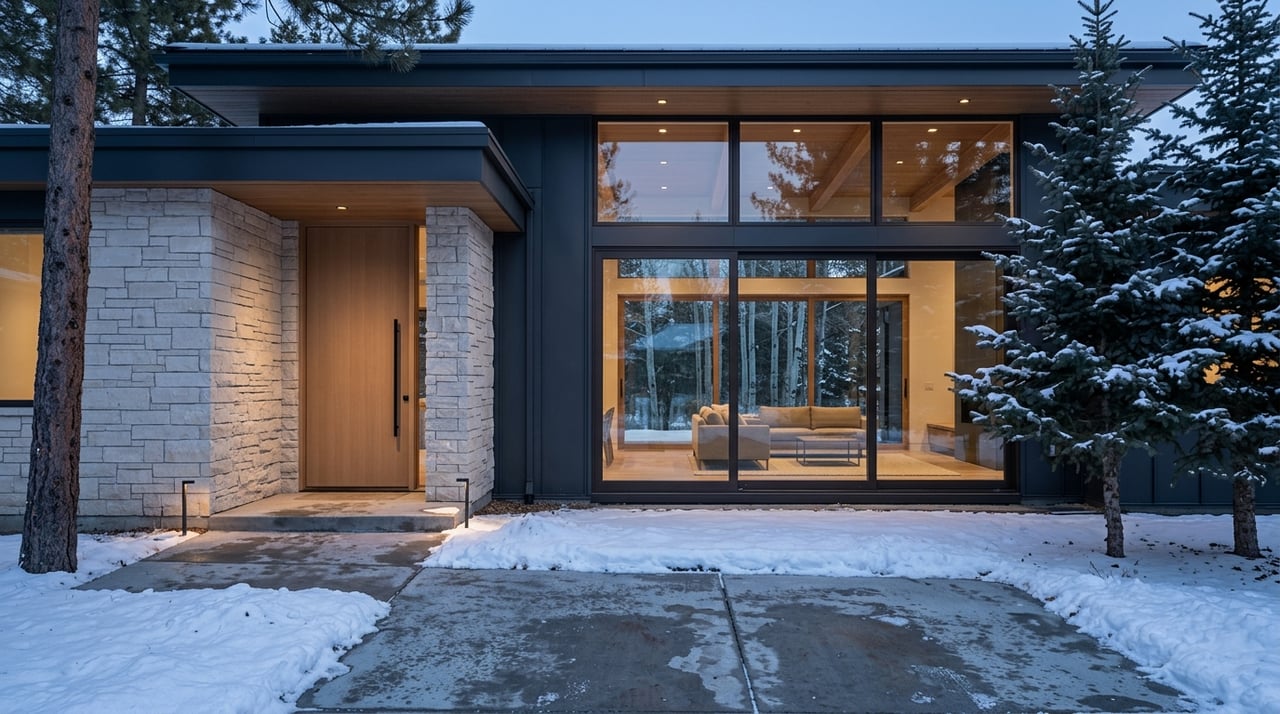
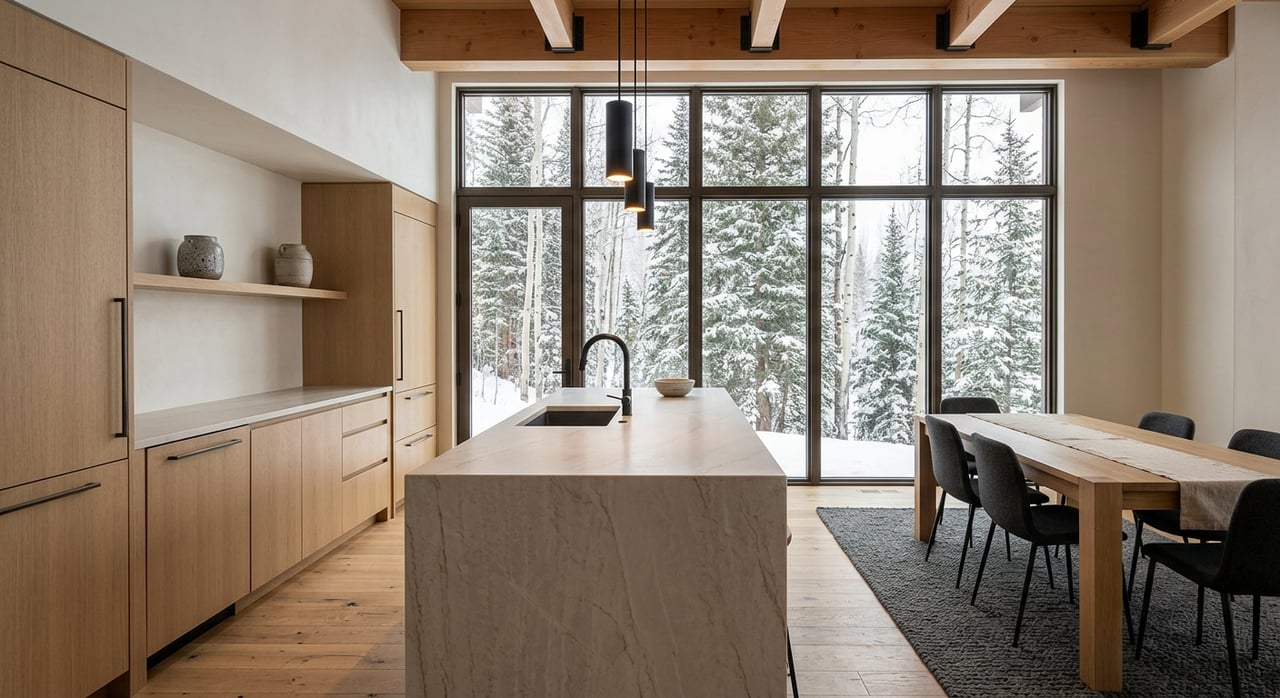
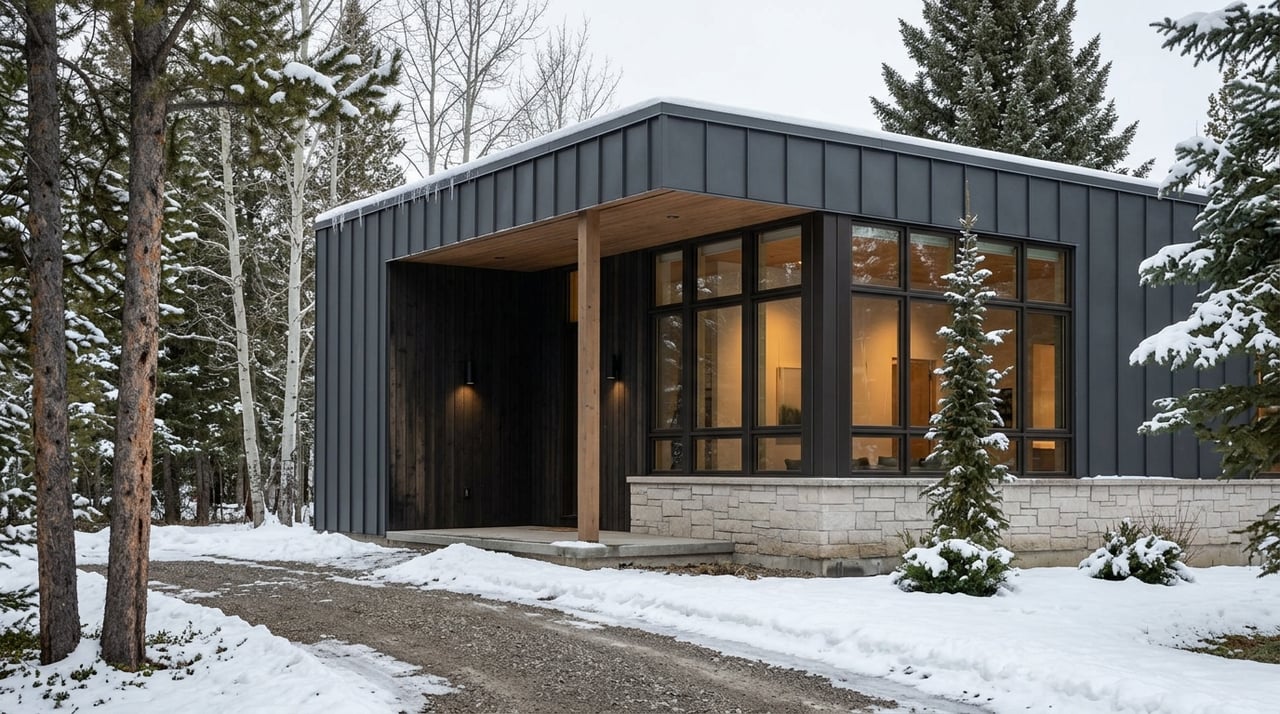
Discover the power of local expertise. Jeff and Paige possess an in-depth knowledge of the Breckenridge real estate market, ensuring you find the perfect property that aligns with your unique needs and desires.