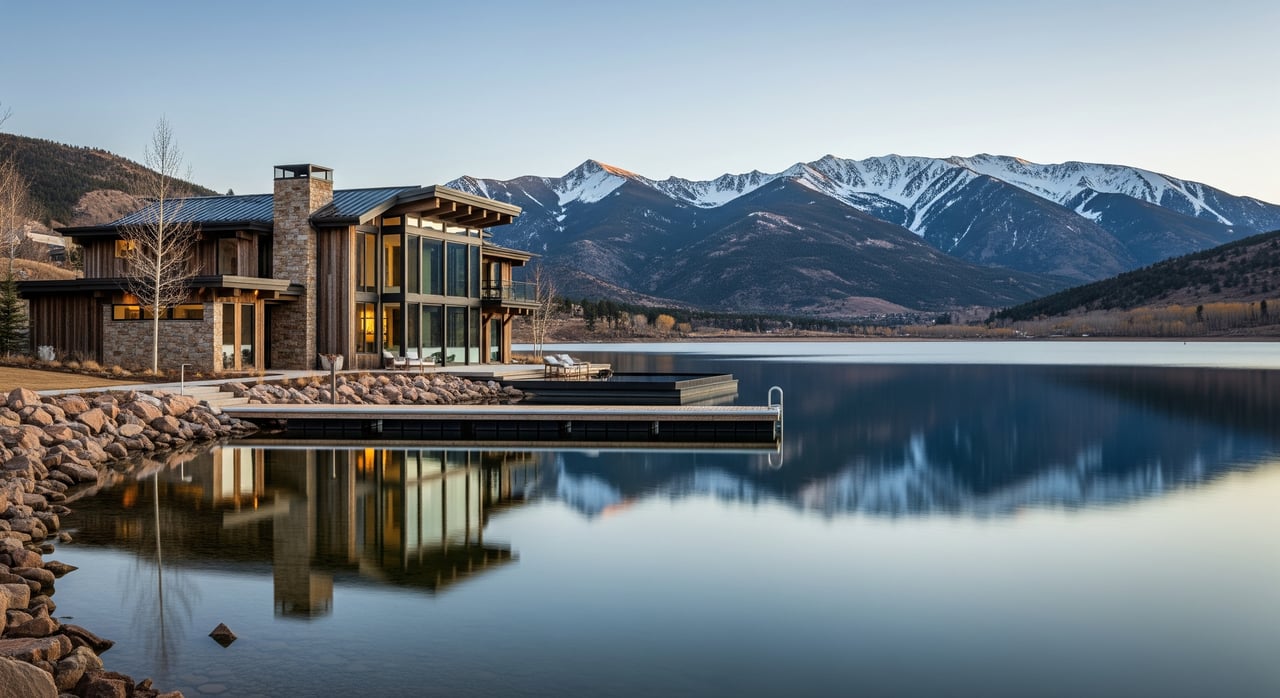
Lakefront Living in Frisco CO Near Dillon Reservoir
January 15, 2026
January 15, 2026
What if your morning started with glassy water, mountain peaks, and a paved path to coffee and the marina? If you are weighing a home near Dillon Reservoir in Frisco, you are likely chasing both calm and connection. You want water access, trails, and a town that functions year‑round, without surprises after you buy. This guide unpacks day‑to‑day living, seasonal rhythms, neighborhood tradeoffs, and key ownership considerations so you can choose with clarity. Let’s dive in.
Frisco sits on the west side of Dillon Reservoir in Summit County. You are in a high‑alpine setting with easy access to nearby ski areas and a compact, service‑rich downtown. The result is a lifestyle that blends boating, biking, and dining in summer with world‑class skiing in winter.
Dillon Reservoir is a managed water resource, so Denver Water oversees water levels and operations. That management supports recreation but also means shorelines and marina activity shift with the seasons. If you value year‑round convenience with strong recreation in your backyard, Frisco’s lakeside neighborhoods deserve a close look.
On the water, you can boat, paddleboard, kayak, sail, and fish with appropriate permits and safety rules. Frisco Bay Marina and Dillon Marina operate seasonally with slip options, rentals, and services like fuel. If a slip is important to you, ask early about availability and waitlists, and confirm what each property actually conveys.
The paved multi‑use path connects the lakeshore to Frisco’s downtown, neighboring towns, and the popular peninsula trails. You can walk or bike to shops, restaurants, and markets for daily needs. Public parking near marinas and trailheads can fill on summer weekends, so assigned parking or private garages add real value.
When the reservoir quiets in winter, nearby ski areas drive the rhythm. Frisco becomes a basecamp for downhill, cross‑country, and snowshoeing. Plan for snow removal, roof loads, and winterizing your home and plumbing. Reliable access to your driveway and street matters when storms roll through.
Expect the marinas and rental operations to be busiest in summer. Paddleboards, pontoon boats, and sailboats fill the water, and community events elevate energy along the shoreline. Short‑term rental activity rises, traffic increases on weekends, and noise levels can be higher near public access points. If you love a lively scene, you will be in your element. If you prefer quiet, look a bit farther from the marina and peninsula.
Fall brings crisp air, golden trails, and fewer visitors. Some businesses reduce hours, but the outdoor experience can be at its best for hiking and fishing. If you enjoy calm and color without crowds, this season is a highlight.
Boating largely pauses and parts of the reservoir may freeze. Snow management becomes routine, and your focus shifts to ski access, winter transit, and storm preparedness. The town stays active with winter recreation, dining, and services.
Spring runoff and operational decisions by Denver Water can raise or lower water levels. That affects boat ramps, shoreline access, and sightlines from some homes. When viewing properties, ask about typical seasonal drawdowns for that specific shoreline and how they change the experience from April through June.
Lakeside homes and condos offer immediate views and the shortest walk to water activities. Supply is limited and prices reflect the premium. You may see more visitor activity nearby, especially close to public access points. Insurance and maintenance needs can be higher due to exposure and alpine weather.
These areas sit a short walk or ride from the marina or peninsula. They often balance access and value, and many include HOA amenities or shared access points. Confirm HOA rules on parking, storage, and rentals before you commit.
Downtown locations are highly walkable to shops, dining, and trailheads. You trade private waterfront access for convenience and energy. Condos and townhomes are common, which can simplify maintenance if you prefer a lock‑and‑leave setup.
Homes above town can deliver panoramic views and privacy. You will drive a few minutes to reach marinas and trails, and winter road conditions may require extra planning. If tranquility and scenery top your list, these areas are worth exploring.
Short‑term rentals are regulated in many mountain towns. The Town of Frisco and Summit County use permits, licenses, and rules that can affect occupancy, parking, and taxation. If rental income is part of your plan, verify current policies and permit availability, and review HOA restrictions.
Slips and moorage are limited and managed by marina operators. Expect separate fees and agreements and plan for aquatic invasive species inspections when launching. If a property mentions a slip or storage, document exactly what transfers.
Shorelines and adjacent wetlands can be subject to local, county, state, and Denver Water regulations. Setbacks, vegetation management, and erosion controls may guide what you can do with landscaping or docks. Ask early to avoid surprises.
Confirm whether a property connects to town water and sewer or relies on well and septic if outside municipal boundaries. Utility type affects maintenance and long‑term costs. Winter plowing schedules and trash service also matter in day‑to‑day life.
At elevation, homes benefit from efficient heating, robust insulation, and roofs designed for snow loads. Many properties include freeze protection for plumbing. During inspections, evaluate energy performance and winter resilience.
Discuss snow load, alpine conditions, and any reservoir‑related exposures with your insurance agent. Flood insurance needs vary by location relative to mapped floodplains and reservoir operations. The right policy structure helps manage risk and cost.
Parking near marinas and popular trailheads can be tight in peak season. Private garages, assigned spaces, or on‑site storage add convenience. In winter, reliable snow removal for driveways and walkways keeps access predictable.
Use this list during showings and due diligence.
A home near Dillon Reservoir is less about a single feature and more about daily rhythm. Decide how much you value immediate water access versus quiet, and how you want to balance walkability with privacy. Plan for seasonal shifts, confirm the rules that shape use and income, and choose a home designed for alpine conditions. When you align these pieces with your lifestyle, the lake, trails, and town come together in a way that feels effortless.
If you want a thoughtful, concierge search or a polished go‑to‑market plan for a lakeside listing, connect with Jeff Scroggins & Paige Johnson. Our local expertise and storytelling‑driven approach help you buy and sell with confidence in Summit County.
Stay up to date on the latest real estate trends.





Discover the power of local expertise. Jeff and Paige possess an in-depth knowledge of the Breckenridge real estate market, ensuring you find the perfect property that aligns with your unique needs and desires.