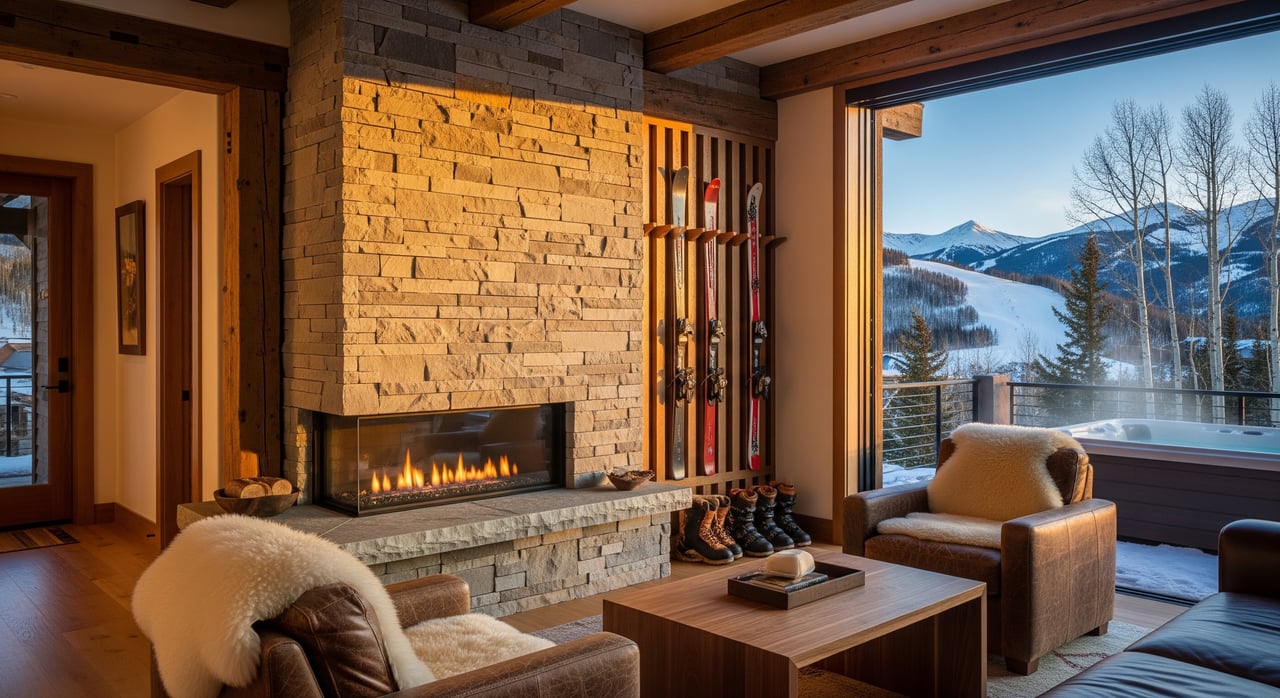
Breckenridge Ski Home Living: What Ownership Feels Like
February 5, 2026
February 5, 2026
Picture this: you step out your door, feel crisp mountain air at 9,600 feet, and glide to the lifts before the crowds. If you are dreaming of a Breckenridge ski home, you want more than a vacation. You want an effortless rhythm that blends the slopes, Main Street, and a cozy basecamp that actually works for your life. In this guide, you will see how daily life flows by season, which property types fit different lifestyles, what ownership really costs, and how rentals and rules play into your plans. Let’s dive in.
Breckenridge moves to a seasonal beat. Winter is peak energy, when skiing, lift hours, and grooming reports shape your day. Expect early morning lift lines on powder days and a lively après scene into the evening. Summer brings hiking, mountain biking, fishing, festivals, and patio dining, with steady visitor traffic.
Spring and fall slow slightly. You will find fewer crowds and some reduced business hours. Many owners use these shoulder seasons for maintenance and upgrades. The town’s calendar stays busy year-round with events like Ullr Fest, the International Snow Sculpture Championships, and Fourth of July celebrations.
Altitude matters. At roughly 9,600 feet, you will feel stronger sun and thinner air until you adjust. Hydration, rest, and a sensible first day help. Access is straightforward most days, with typical drive times of about 1.5 to 2 hours from Denver in normal conditions. The BreckConnect Gondola links town to Peak 8, which is a major perk if you prefer to leave the car parked.
Your ideal home depends on how you want to use it, how often you visit, and how much hands-on maintenance you prefer.
If you want to maximize ski time, ski-in/ski-out and base-area buildings near Peaks 8 and 9 deliver the closest lift access. Many offer amenities like ski storage, shuttles, and front desks. These HOA-managed properties are typically easier to lock and leave and can see strong short-term demand in the right buildings.
The tradeoff is higher HOA dues, less privacy, and building-specific rental rules. You also share walls and common spaces, which can impact quiet and storage.
Townhomes strike a balance of space and simplicity. Many include private garages, room for gear, and multi-bedroom layouts that work well for families. You still benefit from HOA services for exterior care and snow removal in many communities.
Expect more responsibility than a condo, but far less than a detached home. Rental policies vary by community, so you will want to read HOA documents closely.
Detached homes provide privacy, views, and room to host guests for longer stays. Mudrooms, ample gear storage, and multiple living areas make daily life smooth when you are in residence.
The tradeoff is maintenance. You will plan for driveway plowing, roof and heating care, and higher winter utility use. Many owners hire local caretakers or property managers, especially if the home will sit vacant between visits.
If you love a walkable lifestyle, town-center properties put you near shops, dining, and events. Some buildings and historic homes come with parking constraints or age-related maintenance needs. In exchange, you get cultural appeal and easy access to the BreckConnect Gondola without daily driving.
Here is how a typical owner weekend might flow:
Mountain homes require winter-ready systems. You will want reliable heating, pipe protection, and awareness of roof snow loads. HOAs typically handle common-area clearing, but detached homes need a plow service or shoveling plan. Remote monitoring and seasonal start-stop protocols are common for second-home owners.
Expect higher heating use in winter, with natural gas or propane depending on the property. Internet options vary by neighborhood, so confirm high-speed availability if you plan to work remotely. Clarify trash, recycling, and delivery services based on your location and HOA.
If you live out of town or plan to rent, a local property manager can be essential. Services often include guest communications, cleaning, linen service, basic maintenance, and 24/7 on-call support. Many firms also handle rental marketing and pricing through peak and shoulder seasons.
Insurance in mountain areas must account for winter damage, snow loads, and, in some locations, wildfire exposure. If your property offers access to backcountry terrain, learn avalanche awareness and travel planning. For medical needs, full hospital services are available in the Summit County corridor, and response times can vary with weather and location.
Short-term rentals are regulated at both the town and county levels. You should expect licensing, safety checks, and tax registration for most rental activity. HOAs may restrict or ban short-term rentals even if the town allows them.
Some Summit County properties are deed-restricted for local or workforce occupancy. These cannot be purchased as unrestricted second homes. Compliance matters, and penalties for violations can be significant, so check current rules before underwriting rental income.
Income potential varies by season. Winter holiday periods and prime summer weeks often perform best, with quieter shoulders. Your building, location, and amenities will shape occupancy and nightly rates.
Beyond the purchase price, plan for ongoing costs that reflect mountain conditions and services:
The mix of HOA coverage, size, and location will drive your budget. The right manager and preventive maintenance can reduce costly surprises.
Homes with convenient access to the resort and Main Street tend to retain strong appeal. Slopeside and in-town locations offer a lifestyle premium that many buyers value. At the same time, higher HOA dues or operating costs can narrow the buyer pool for some buildings.
Market conditions in resort towns can move with broader economic shifts and interest rates. Inventory, days on market, and pricing will vary by season. Thoughtful upgrades and a well-maintained systems profile help preserve value across cycles.
Use this quick checklist as you narrow your search:
When you are ready to match your lifestyle with the right Breckenridge property, you deserve a trusted guide who understands the market and the rhythms of mountain ownership. From film-quality listing media to concierge-level transaction management, our team helps you buy and own with clarity and confidence. To start a focused, private conversation, connect with Jeff Scroggins & Paige Johnson. Work With Us: schedule a bespoke marketing consultation.
Stay up to date on the latest real estate trends.
Discover the power of local expertise. Jeff and Paige possess an in-depth knowledge of the Breckenridge real estate market, ensuring you find the perfect property that aligns with your unique needs and desires.