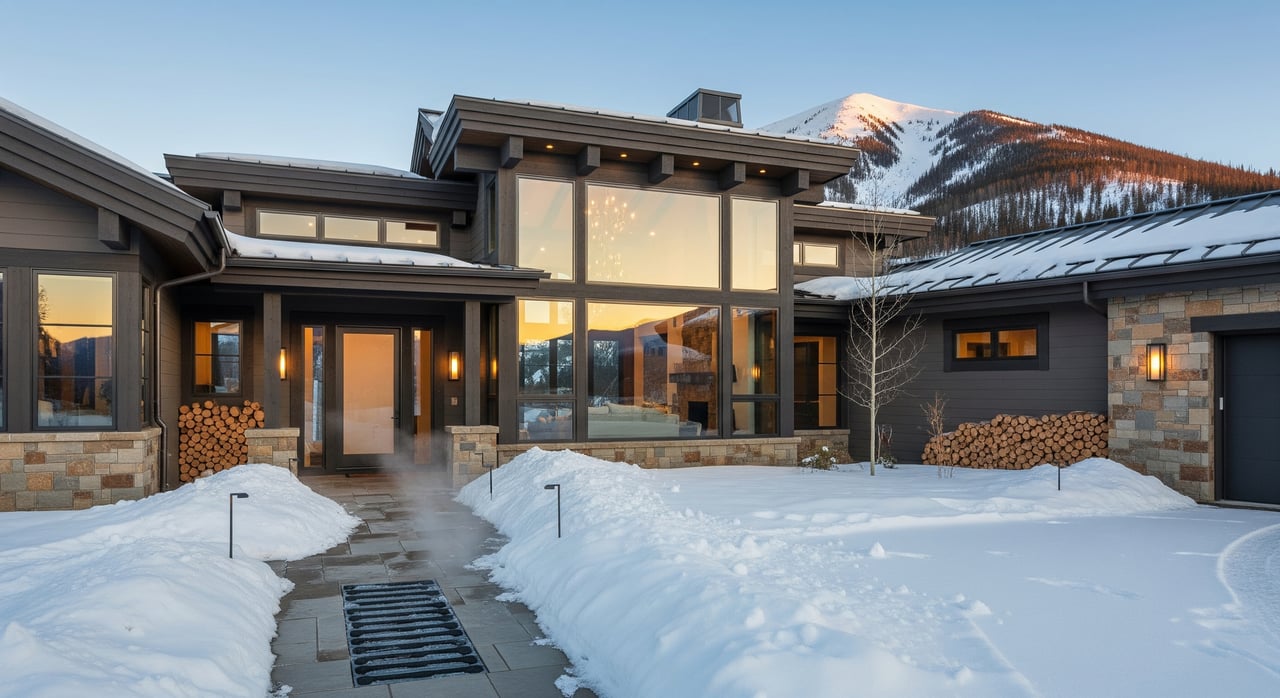
Is your Blue River home ready for the first deep freeze? At roughly 10,000 feet, winter here brings long cold snaps, heavy snow, and the kind of freeze–thaw cycles that test even well‑built mountain homes. If you split time between places or manage your home from afar, you want a clear plan that prevents the most common winter failures and avoids emergency call‑outs. In this guide, you’ll get a practical, step‑by‑step winterization plan tailored to Blue River so you can protect your investment with confidence. Let’s dive in.
Why winterization matters in Blue River
Blue River winters include sustained freezing temperatures, deep snow, drifting, and occasional multiday power outages during strong storms. High altitude amplifies risks like ice dams, fuel delivery challenges, and stress on boilers and combustion appliances that need altitude‑specific tuning.
The most common, costly winter issue is frozen or burst pipes. Other frequent problems include failed boilers or pumps, roof leaks from ice dams, and damage to gutters, decks, and exterior piping. A thoughtful plan reduces risk, saves money, and keeps your winter season smooth.
Your winterization timeline
2–3 months before first snow
- Service heating systems with a technician experienced in high altitude. Ask for combustion safety checks, flue and vent inspections, circulator and expansion tank tests, and confirmation that every thermostat works with remote access.
- Schedule chimney and woodstove inspection and sweeping if applicable.
- Secure fuel delivery plans for propane or oil. Confirm minimum delivery amounts, emergency procedures, and truck access during heavy snow.
- Have a licensed plumber inspect for exposed or vulnerable pipes in crawlspaces, garages, attics, and exterior walls. Plan insulation or heat trace where needed. Review water heater, circulating pumps, backflow preventers, and pressure relief valves.
- Review insurance and HOA requirements. Check vacancy clauses and any snow‑removal obligations.
2–4 weeks before you close up
- Insulate and protect plumbing. Add foam sleeves on accessible runs and address exterior wall sections. Install self‑regulating heat cable on vulnerable lines in unheated spaces. Use a licensed electrician where required.
- Set interior temperature and water strategy. Many pros maintain 50–60°F in a vacant home to reduce freeze risk. If shutting water off for an extended period, fully drain lines, winterize outdoor spigots and irrigation, and follow manufacturer guidance for your water heater.
- Prepare roof, gutters, and attic. Improve air sealing and insulation to reduce ice dams. Clear gutters, check downspout attachments, and consider roof heat cables at problematic eaves as a supplemental measure.
- Ready the exterior. Trim branches that could fail under snow load. Remove hoses, winterize irrigation and controllers, and protect exposed backflow preventers. Confirm propane tank placement and protection.
1 week before departure
- Test all alarms and backups. Confirm smoke and CO detectors, sump pump function, generator start, and sensor batteries.
- Program the thermostat and confirm remote access for you or your local manager.
- Secure items that could freeze, such as plants and water features.
- Stock a small emergency kit: shovel, ice melt, temporary heaters if appropriate, and an updated contact list.
- Photograph baseline interior and exterior conditions for reference and insurance.
While you are away
- Monitor remote telemetry regularly and set alerts for temperatures, leaks, power loss, and fuel levels where possible.
- Schedule periodic in‑person checks after major storms and at agreed intervals. Include roof and driveway observations, temperature verification, and quick plumbing checks.
- Define when to dispatch help versus wait. For example, choose an interior temperature threshold or power outage duration that triggers an on‑site visit.
Stop frozen pipes before they start
- Insulate exposed pipes with foam sleeves. Consider closed‑cell spray foam in wall cavities for a permanent solution.
- Install heat trace on vulnerable lines. Use self‑regulating cable and follow code and manufacturer instructions. Hire a licensed electrician if required.
- Add automatic water shutoff with leak detection. Place sensors near your water heater, under sinks, behind toilets, at the washer, and in mechanical rooms. Pair with a motorized shutoff valve for immediate mitigation.
- Use temperature alarms in key locations like utility rooms and under sinks. Set alerts for low thresholds.
- Winterize non‑pressurized lines. Drain irrigation, pool or spa lines, and add appropriate antifreeze to traps if fully deactivating plumbing.
- Leave under‑sink cabinet doors open when the home is heated to circulate warm air around pipes.
- Decide water on or off based on your setup. With strong monitoring and quick local response, many owners keep water on. If you shut water off, coordinate full draining and careful re‑pressurization with a professional. For wells, verify freeze protection for pressure tanks and above‑ground piping.
Heat and fuel checklist
Tune and test heat
- Commission furnaces, boilers, and radiant systems for altitude. Verify zone valves, controls, and backup heat sources work.
- For hydronic systems, bleed zones, check glycol mix where used, and confirm expansion tanks and relief valves are in range.
- Tighten the envelope. Weatherstrip doors, seal gaps, and consider insulating shades to reduce demand on your system.
Manage fuel with confidence
- For propane or oil, set automatic deliveries if possible, label tanks clearly, and keep plowed access for trucks. Confirm emergency refill procedures.
- If you rely on electric heat, understand power demands and consider generator capacity for critical circuits during outages.
Roof, ice dams, and snow
- Focus on attic insulation and ventilation to prevent ice dams. Reducing heat loss keeps the roof deck cold and limits melt‑refreeze.
- Use a roof rake from the ground after storms to reduce eave loading and icings. Treat gutter heat cables as a supplement.
- Hire insured professionals for roof snow removal. Avoid sending anyone untrained onto icy, steep surfaces.
Smart monitoring that actually helps
- Use a remote thermostat with zoning and reliable alerts. Options include Nest, Ecobee, or Honeywell.
- Place water leak sensors at all likely sources and connect them to an automatic shutoff valve.
- Add temperature and freeze alarms in utility areas and under sinks.
- Include sump pump monitoring with battery backup where applicable.
- Monitor for power outages and generator status through smart panels or telematics.
- Build redundancy. Add a cellular backup hub for sensors and maintain batteries and UPS backups for key devices.
- Set multi‑channel alerts to reach you, your manager, and a local contractor by text, email, and app. Test devices monthly and keep a simple response playbook.
- Practice good cybersecurity. Use unique passwords, two‑factor authentication, and a separate network for smart devices.
Property manager playbook
Pre‑season closure
- Confirm HVAC and plumbing service is complete. Verify fuel contracts and emergency contacts.
- Test remote devices, replace batteries, and verify cellular backup.
- Record baseline photos and meter readings. Leave labeled keys and manuals.
- Share a vendor list, owner contact preferences, and clear access instructions.
Ongoing winter visits
- Exterior: check for ice dams, inspect decks and roof penetrations, and verify propane levels and clear access.
- Entry and drive: confirm snow removal and safe egress.
- Interior: verify thermostat readings, run taps briefly, and check visible plumbing for freeze signs.
- Systems: test sump pump and generator if present and review alarm logs.
- Document visits with timestamps, temperatures, and notes.
Emergency response plan
- Define trigger thresholds such as interior temperature below a set point or confirmed leak.
- Primary response: onsite check within the agreed window.
- Secondary response: call the designated plumber, HVAC tech, or roofer. Provide spending limits for urgent work and clear contact steps for larger approvals.
- Consider early insurance notification when damage may exceed deductible thresholds.
Local codes, insurance, and HOA
- Verify permits and code requirements with Summit County for plumbing, electrical, propane, and roof work.
- Use licensed Colorado contractors who carry proper insurance and have mountain experience. Ask for references.
- Review HOA covenants for snow removal standards and contractor rules.
- Confirm your insurance policy’s vacancy clause and any requirements for periodic inspections during winter.
Quick grab‑and‑go checklist
- Service heat systems, tune for altitude, and test thermostats with remote access.
- Inspect plumbing, insulate vulnerable runs, and install heat trace where needed.
- Add leak sensors, temperature alarms, and an automatic shutoff valve.
- Set a vacant temperature, commonly 50–60°F, and decide on a water on/off plan.
- Improve attic insulation and ventilation; clear gutters and prep eaves.
- Arrange fuel deliveries and ensure plowed access to tanks and the driveway.
- Test alarms, generator, sump pump, and all smart devices before leaving.
- Schedule periodic winter inspections and define emergency thresholds.
Protecting your Blue River home is about preparation, monitoring, and quick response. With a clear plan and the right team, you reduce risk and keep peak season focused on what you enjoy. If you would like trusted local referrals or strategic guidance on maximizing your home’s long‑term value, connect with Jeff Scroggins & Paige Johnson for calm, expert support.
FAQs
What temperature should I set in a vacant Blue River home?
- Many professionals choose 50–60°F, adjusted for your insulation, pipe locations, and heating system. Ask a local technician for a setting tailored to your home.
Is it better to shut the water off when I leave for winter?
- With reliable monitoring and a quick local responder, many owners leave water on. If you shut it off, fully drain and winterize lines and plan for professional reactivation.
How do I prevent frozen exterior hose bibs at high altitude?
- Drain the supply line, install frost‑free sillcocks, insulate exterior piping, and add interior shutoffs so you can isolate and drain the run.
Do smart leak sensors and shutoff valves really help?
- Yes. Early detection combined with automatic shutoff and a defined response plan can significantly reduce water damage and repair costs.
What should I do about heavy snow on my roof?
- Use a roof rake from the ground after storms and hire insured professionals for deeper accumulations. Long term, improve attic insulation and ventilation to limit ice dams.