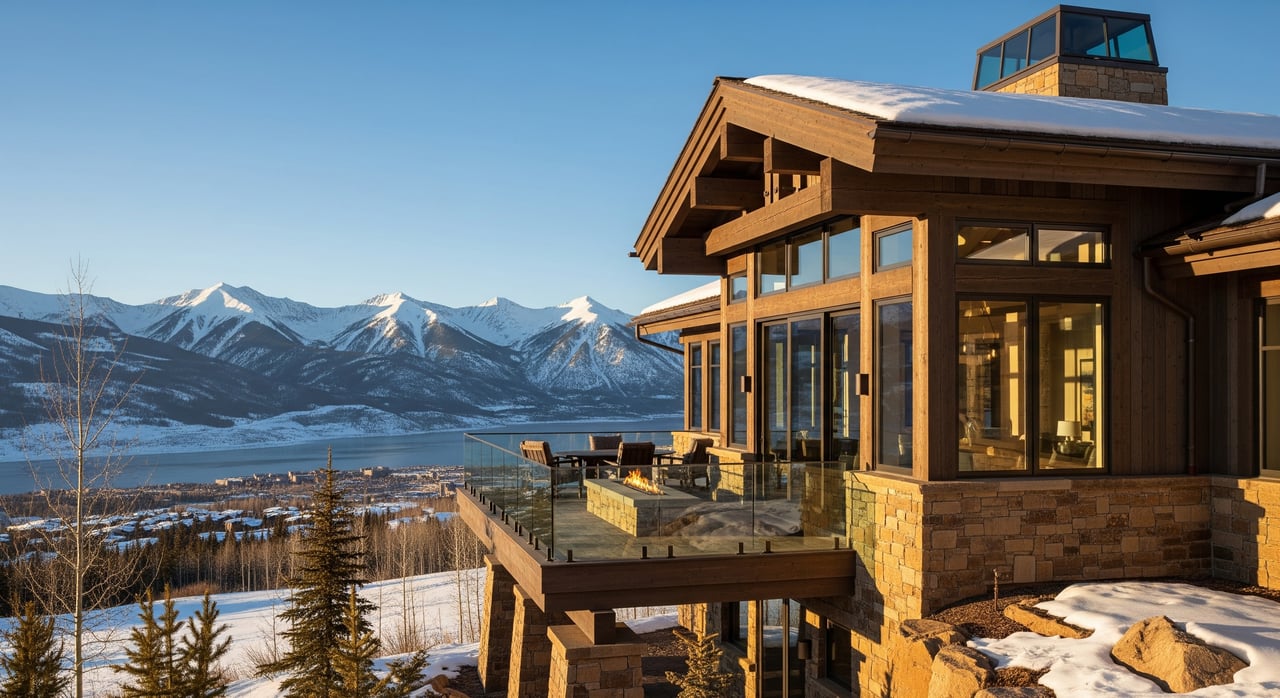
Appraisals for Silverthorne Mountain Homes at Altitude
October 16, 2025
October 16, 2025
What if the biggest factor in your Silverthorne appraisal isn’t altitude itself, but everything that comes with mountain living? You want a clear, fair value whether you’re selling your home or buying your next basecamp. In Silverthorne, details like snow load, short-term rentals, floodplains, and scarce comps often matter more than square footage alone. In this guide, you’ll learn how appraisers evaluate mountain homes here and what you can do to prepare, avoid surprises, and support your value. Let’s dive in.
Elevation does not trigger a simple “altitude” adjustment on an appraisal. It drives different construction and maintenance realities, which impact value. Appraisers look for roof design and snow-load capacity, mechanical systems like boilers and radiant heat, and insulation that stands up to freeze-thaw cycles. Local officials have warned about heavy, wet snow and roof risks, especially for older designs, so documentation of upgrades matters to value and safety (Summit Daily roof guidance).
Water resources and floodplain status also play a role. Properties near the Blue River and Dillon Reservoir may face flood regulation or insurance impacts, which appraisers evaluate for marketability (runoff and reservoir context). Hazard exposure in general is a key review item. Summit County identifies wildfire, avalanches, flooding, and severe winter weather among top risks, and appraisers consider whether those factors influence buyer behavior and prices in the local submarket (county hazard overview).
Short-term rentals are another big lever. The Town of Silverthorne requires STR licenses for rentals under 30 days and uses zone-based caps. Licenses are non-transferable on sale, and rules vary by area, which can change the buyer pool and income potential. Appraisers and lenders will want to see the property’s STR license history and current eligibility to understand value and risk (Silverthorne STR rules).
Local market context rounds out the picture. Recent reporting points to elevated prices and a more balanced pace than the 2020–2022 surge, which affects how appraisers time-adjust older comps and weigh negotiability (Summit County market commentary).
Most residential appraisals rely on recent, similar closed sales. In Silverthorne, turnover can be thin and homes highly custom. Appraisers may need to use older or slightly farther comps and then explain time and location adjustments. Federal guidance recognizes that resort markets often require this flexibility when well-documented (FHFA on comp selection). Expect line-item adjustments for living area, bedroom/bath count, condition, garage and parking, view, lot usability, access, and any seller concessions.
For new builds or one-of-a-kind properties, appraisers may use a cost approach. Replacement cost is estimated, depreciation is applied, and land value is added. Mountain construction typically carries higher costs for materials, labor, and logistics, which appraisers factor in using local builder data and permits (mountain build cost context). The cost approach rarely sets value on its own unless improvements are very new or the lot is especially unique.
If buyers commonly purchase a property for rental income, appraisers may apply an income approach alongside sales comparison. They will ask for your STR license, booking calendars, occupancy, and income and expense statements to support assumptions. Because Silverthorne caps licenses and limits transferability, documentation of compliance and eligibility is essential to credibility and value weighting (Silverthorne STR rules).
Conventional loans often run through automated and manual appraisal reviews. Expect questions if comps are scarce or adjustments large. Clear explanations of hazard impacts, STR status, and comp choices help reduce rework and delays (Fannie Mae Appraiser Update).
Low turnover and custom builds can force wider search areas or older sales. Appraisers can do this when they justify their choices and apply supported adjustments, but it can still create value disagreement. This is one of the most common friction points in Silverthorne (FHFA on comp counts).
Unpermitted additions, garage conversions, and mismatched living area often trigger lender questions and lower confidence in value. Reconciling the assessor, permit history, and actual improvements before listing helps avoid flags and delays (Town permits and licensing).
If a property sits in a newly recognized hazard area and there are no comparable sales reflecting that same risk, the loan could face additional underwriting scrutiny or become ineligible for enterprise purchase. Appraisers must document the impact and data limits clearly (Fannie Mae guidance).
Because licenses are capped and non-transferable, a buyer may not be able to operate an STR immediately after closing. When income is a key part of the value story, this uncertainty can limit buyer demand or reduce supported value. Confirm current rules and eligibility before assuming rental income will continue (Silverthorne STR licensing).
Premium views, convenient access to national forest or trailheads, and practical commute times to nearby ski areas often attract more buyers. Appraisers will look for sales with similar views and recreation adjacency to support any premium. Proximity to busy corridors can be a negative, so expect the analysis to balance both sides. In thin markets, sound explanations and properly weighted comps are key.
In Silverthorne, appraisals are less about altitude as a number and more about the mountain realities it creates. Snow-load design, STR regulations, hazard exposure, and the scarcity of close comps shape value and lender review. With the right documentation and strategy, you can reduce surprises and support a clean, confident appraisal.
If you’re planning to buy or sell and want a clear plan to support your value, connect with Jeff Scroggins & Paige Johnson for discreet, data-informed guidance tailored to your property.
Stay up to date on the latest real estate trends.

Discover the power of local expertise. Jeff and Paige possess an in-depth knowledge of the Breckenridge real estate market, ensuring you find the perfect property that aligns with your unique needs and desires.