Does ski-in/ski-out mean you can click in at your doorstep, or will you be walking across a plaza with your boots on? If you are comparing properties in Keystone, the answer can change your daily routine and your returns if you plan to rent. You deserve a clear, practical way to tell true slope-front from clever marketing. In this guide, you will learn how Keystone defines convenience in the real world, what to verify at each village, and how ski access affects pricing and rentals. Let’s dive in.
What ski-in/ski-out really means
Not all ski access is equal. In Keystone, listings use the term across a spectrum. Use these clear categories when you evaluate a property:
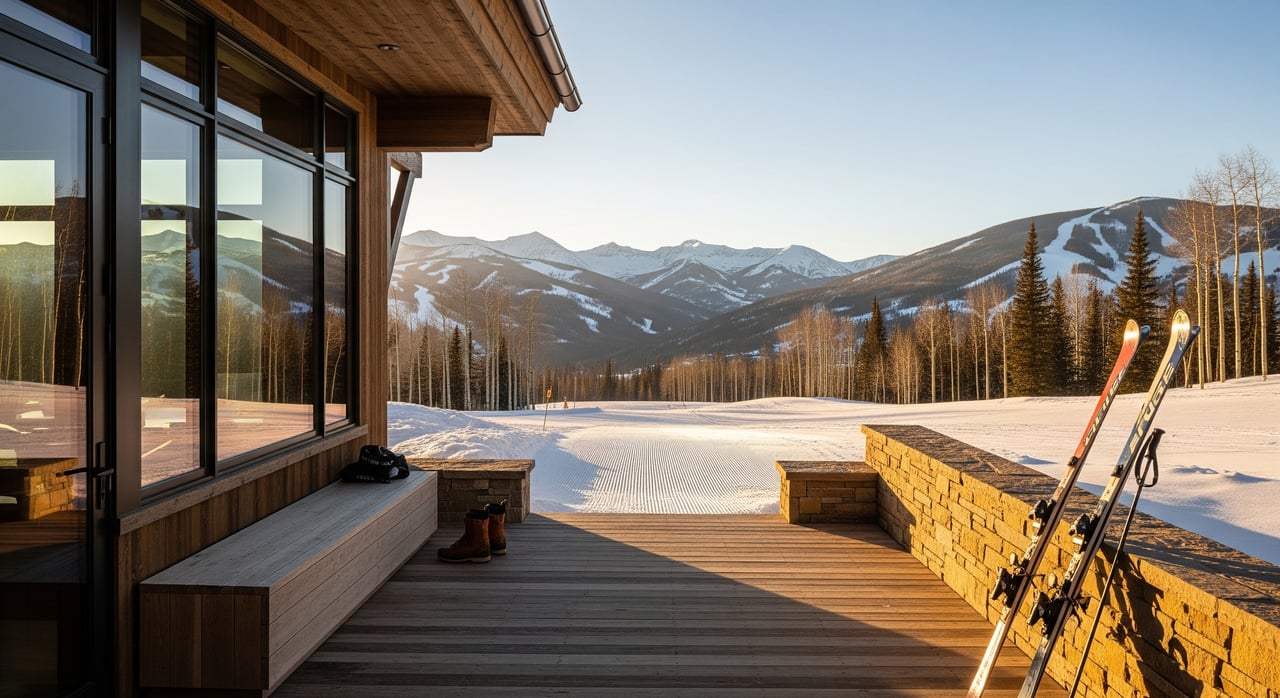
- True slope-front: Direct, legal access to an open, maintained ski trail or run immediately outside the building. No shuttles, no road crossings, no long walks. Often includes ski lockers, boot rooms, and reliable return routes.
- Short walk or slope-adjacent: A quick walk, typically under about five minutes, to a lift or groomed run. You may cross a plaza or low-traffic road and carry gear a short distance.
- Connector trail or conditional access: Access relies on resort connector trails or designated paths that depend on grooming or seasonal operations. You may need to follow signage or cross service roads.
- Shuttle-required or resort access: Marketed as ski-in/ski-out but you need a resort or public shuttle, or a vehicle, to reach the lifts. This is not slope-front.
- One-way or limited return: You can ski out in the morning, but returning requires walking, a shuttle, or a gondola due to terrain or operations.
The biggest misunderstanding is simple. Skiable to the door is a different experience than walkable to the lift. Always verify both the morning route and the evening return.
Keystone locations at a glance
Keystone’s micro-locations matter. Different villages and on-mountain neighborhoods offer different types of access and day-to-day convenience.
River Run Village
This is the primary commercial base with the highest concentration of practical slope-adjacent options. You will find quick access to lifts and gondolas with elevators to the plaza level. Expect some pedestrian flows and short crossings through public plazas or paths.
Lakeside and Keystone Lake area
Some properties are close to resort trails and winter walking paths around the lake. Others rely on a short walk to River Run or a shuttle. Confirm whether walking routes are plowed and lit during winter conditions.
Mountain House and upper neighborhoods
On-mountain communities vary. Some have direct trail connections or ski easements. Others sit above lifts and require short transitions, and some access can be gated or restricted based on HOA rules.
Proximity factors to verify
Before you rely on a listing’s claims, confirm these details for your top choices:
- Direct connection: Is there a maintained trail, ramp, or stair from the building to an open run or lift without crossing a public road?
- Return route: Can you ski back to the property? What is the uphill lift or gondola, and is the return route typically open and groomed?
- Time and distance: Measure door-to-lift and door-to-run in real winter conditions. A 2-minute walk is not the same as 10 minutes with stairs.
- Vertical and terrain: How much uphill or downhill is between you and the lift? Consider ability levels for your household and guests.
- Seasonal reliability: Does the route depend on snowmaking or grooming that may be limited early or late season?
- Safety and crossings: Note any roads, unlit paths, or busy plazas to navigate with gear.
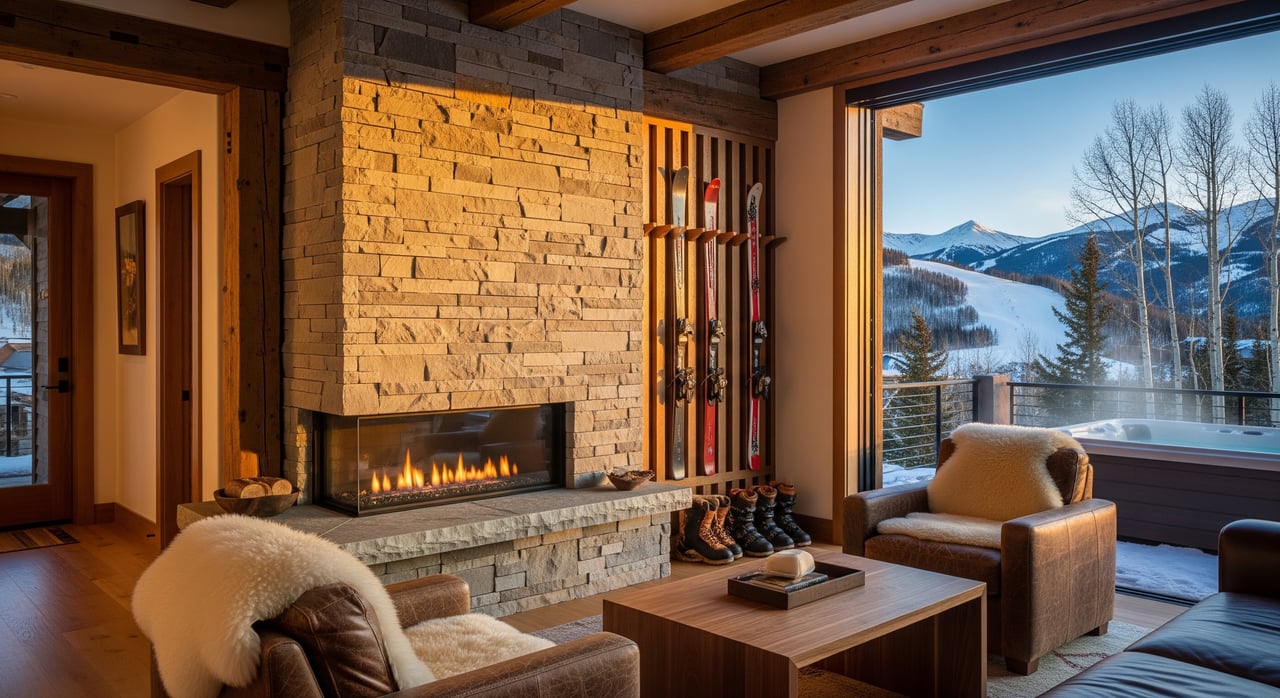
- Gear logistics: Look for ski lockers, boot rooms, boot dryers, and exterior racks. Long hallways or stairs add time and effort.
- Building access and hours: Check door locks, elevator access, and any after-hours limitations.
- Shuttle details: If a shuttle is required, confirm stop locations, frequency, and winter reliability.
Tools to confirm access
You can validate convenience with a few simple steps:
- Consult official resort trail maps and lift status to identify specific runs and lifts that serve the property.
- Use satellite and street maps to measure routes and crossings, then confirm winter pedestrian access on site.
- Do an on-site visit or live video test. Time the morning outbound with gear and the evening ski-back or walk-back.
- Review HOA covenants, plats, and easements to confirm legal trail or access rights.
Questions to ask every seller or manager
Use direct questions to get clear answers:
- Can you ski directly from the unit to an open run or lift? Which trail and which lift?
- Is there a groomed, maintained return to the unit? Describe the route and any crossings.
- Are there private easements, gates, or HOA rules that affect access for owners or guests?
- Does the building provide ski lockers, boot rooms, or exterior racks? Where are they located?
- If a shuttle is part of the plan, what is the stop name, schedule, and typical winter reliability?
- Has the property been mapped as slope-front in any resort documents or HOA plats?
Lifts, terrain, and timing
Lift types and operations change perceived convenience, especially at busy times:
- Lift capacity: Gondolas and high-capacity chairs can make a slightly longer walk feel easy. If your route depends on a low-capacity or crowded lift, plan for queues.
- Seasonal operations: Some connectors or lifts may not run early or late season or may operate on reduced schedules. This can turn a ski-back into a walk or shuttle.
- Terrain fit: Properties beside advanced terrain can be less practical if your group prefers easier runs. Gentle cruisers that feed base areas are the most universally convenient.
- Snowmaking and grooming: Runs with snowmaking and regular grooming offer more reliable access in shoulder months. Aspect and exposure can also affect day-to-day reliability.
- After dark: If you return after sundown, confirm lighted paths, safe pedestrian routes, and any building access procedures.
Price, rentals, and ownership costs
Ski access influences value, demand, and carrying costs. Here is what to consider as you compare options:
- Price premium: True slope-front near major base villages usually carries a measurable premium due to convenience, limited supply, and strong demand. Compare recent sold comps within each village to quantify it.
- Rental demand: Proximity typically boosts occupancy and average daily rates during peak season. Overall results still depend on unit size, finishes, amenities, management quality, and HOA rental rules.
- Costs and tradeoffs: Slope-front buildings often have higher HOA fees, specialized amenities, and occasional assessments. Heavier rental use can increase maintenance and cleaning needs.
- Regulatory items: Summit County and Keystone Resort have rules for short-term rentals, taxes, parking, and permits. Confirm requirements and HOA policies before you underwrite revenue.
Buyer checklist you can use today
When you are ready to compare properties, use this reproducible checklist:
- Walk the door-to-lift route in winter conditions with skis and boots.
- Time the evening return. Confirm lighting, gates, and elevator access.
- Inspect ski storage, boot rooms, and mudroom space.
- Ask management if the building appears on resort maps for slope access and whether any access is seasonal.
- Request HOA bylaws, covenants, and recorded easements that reference trails or access rights.
- Obtain 12 to 36 months of rental history if cash flow matters.
- Pull recent comps for slope-front versus non-slope units within the same micro-location.
- Review short-term rental rules, occupancy limits, and guest parking policies.
- Verify shuttle details if access depends on it.
How to choose with confidence
Start by deciding which category of access you truly want. Then map the exact morning route and evening return for each property on your shortlist. Compare the time, terrain, and gear logistics in real conditions. Finally, pair that daily experience with your pricing, rental, and HOA assumptions so you can choose the right balance of convenience and value.
If you want a clear, side-by-side plan for your short list and help verifying access on site, connect with Jeff Scroggins & Paige Johnson. We will help you pressure-test the morning and evening routes, review easements and HOA rules, and align your purchase with your lifestyle and investment goals.
FAQs
What does ski-in/ski-out mean in Keystone?
- It ranges from true slope-front access at your door to short-walk or even shuttle-required locations, so verify the exact route and return for each property.
How do River Run and Lakeside compare for access?
- River Run concentrates practical slope-adjacent options near lifts and gondolas, while Lakeside varies and may require a short walk or shuttle, so confirm winter walking routes.
Does a 3-minute walk equal ski-in/ski-out?
- Not functionally, because carrying gear, stairs, crossings, and lift lines can change the experience compared with direct slope-front access.
Will slope-front guarantee better rental income?
- It often improves demand and rates in peak season, but results still depend on unit size, amenities, pricing, management, and HOA rental rules.
What should I verify before I buy?
- Confirm the exact door-to-lift route, the skiable return, legal easements, building access and storage, shuttle schedules, and current HOA and county rules for rentals and parking.